






Culture of Storytelling. You can’t separate the human experience from storytelling. It doesn’t matter whether you’re connecting with an old friend over a drink on a dark and cozy fall night, or you’re pitching a product to a business or consumer. Stories are how we make sense of the world. They’re how we entertain, educate, and humanize our audience to our experience, whatever those experiences are. If you want to run a successful startup, then you have to bake storytelling into your business from day one. And it all starts with creating a culture of storytelling. In this guide, we will tell you how to create this storytelling culture through 7 easy to execute steps. Let’s take a look.
What is a Culture of Storytelling?
A culture of storytelling in the context of a business can mean many things. It can mean you create an open and honest atmosphere where employees feel comfortable sharing their experiences. This kind of open dialogue lays the foundations for effective decision making because employees feel confident in calling out their concerns.
But more importantly, it means the shared story that all of your employees believe in. It’s a collective narrative about the brand and the “why” and “how” behind the work you do. When all employees have a shared understanding of the story, they feel a greater sense of belonging. Studies have repeatedly shown that a sense of belonging is strongly linked to employee happiness, productivity, and efficiency.
Having a shared story is also what helps you sell more effectively and secure buy-in from investors. In the next section, we’re going to look at how you build a compelling story for your start-up. A story that will make your company memorable and differentiate you from your competitors. And one that will make your business into the kind of company people want to work with or buy from.

7 Things You Must Do to Create a Compelling Story For Your Startup
1. Build Your Mission Around Customer Conflict
There’s often a multitude of reasons someone created a startup. It could be because you came up with a flashy new idea and saw its potential in the market. It could be because you have a passion for something and want to see it realized in a business. Whatever the reason is, your startup can’t exist without customers, so customers should be a focal part of your mission statement.
In Dale Carnegie’s book titled How to Win Friends and Influence People, he sets out rules for how to present yourself in a way that best connects with other people. There are two points from the book I’d like to touch on here because I think they help people write excellent mission statements,
Talk in terms of the other person’s interest
When we talk about what other people are interested in, they feel valued and appreciated. Additionally, they pay more attention.
Letters that produce miraculous results
Deliberately describe information in a way that puts the other person in the picture. When discussing your skills or accomplishments, tell them in a way where it’s obvious how your skills can fix their problems. Customers are interested in what you can do for them, not what you can do.
Customers love to deal with companies that put them at one center stage. By placing your customers in your mission statement, you are signaling that you are a customer-centric company – everything you do is because you want to add value to their lives.
It’s a good idea to build a habit of including customers in all of your business communication, even as an exercise. Always think about how your product or brand is solving a problem for the customer because that is your customer’s story. The primary customer story is I found a problem > I need to find a way to fix this problem to improve my experience > X company looks like they have a product that will solve my problem > I try the product > It met my expectations/It didn’t meet my expectations.
2. Humanize Your Brand
Stories are intrinsically human. When people take center stage in our stories, we find it easier to connect with the story and empathize with the characters.
With the fast-paced digital world we live in today, it would be easy to think that people want less contact with others, not more. While it’s true that our devices allow us to go solo and interact with others only when we feel like it and only in the way we prefer, It’s not true that this endeavor is about reducing contact. The modern world allows us to have greater control over what content and people will engage with. As a business, it’s your job to grab the user’s attention through your appeal. You can’t force a consumer to pay attention to you, but you can make them want to.
An excellent way to do this is by humanizing your want. People in the digital age still crave sincere connections with others. Your business is made up of people, so these people should be visible.
Tips on humanizing your brand:
- Educate: Focus more on educating than selling. Learning is something that all people do, and all people want to do. If you can teach consumers something, they’ll look up to your company as an authority. Educating others, either through blog posts or videos, also communicates that you’re interested in others’ personal development. You don’t just want to sell a product; you want to help people become better.
- Show off your employees – When you create content, it should feature your employees. Blog posts should have an author with a photo. Videos should feature different employees speaking parts of the script.
- Use positive language and emojis – Ensure that your content, Tweets, LinkedIn posts have flow and showcase what kind of person you are.
3. Focus on Warmth Over Competence
Over time, there has been extensive research into what makes someone more successful, competent, or warm, and the results are surprising.
Warmth is made up of the following traits:
- Cultivating positive relationships
- Being open to feedback.
- Building trust with others
- Ability to motivate and inspire.
- Honesty and integrity
- Collaboration
- Encourage input from other people.
- Willingness to change.
Competence is considered:
- Problem-solving
- A drive to get results
- Technical expertise
- Ability to drive change
- Taking charge
- External perspective (seeing the bigger picture and ability to become emotionally detached from the issue at hand).
Most people mistakenly think that competence is more important than warmth, but the opposite is actually true. Studies repeatedly show that people overestimate competence vs. warmth in relation to high-ranking executives. They think that executives should be more competent than warm, but executives actually rate higher in warmth.
As for why, it dates back to our evolutionary history. When you meet a new person on the savannah, it’s more important to know whether you can trust them than if they’re good at hunting. A good hunter who is untrustworthy is a liability to your tribe – they can hunt you just as well as animals. Of course, we don’t have the same worries today, but we’re still wired to trust warmth over competence in our leaders. We want to know that we’re safe because they have our best interests at heart.
When it comes to storytelling, displaying warmth is paramount. That’s not to say you shouldn’t focus on competence at all, but rather that you need to get the balance right. Weave your displays of competence into a story that’s brimming with warmth. It will make your customers trust you.

4. Show Don’t Tell
“Show don’t tell” is a fundamental rule of storytelling, and it goes for business storytelling too. There’s a reason that we’re often bored by long descriptive scenes in books that are devoid of action and dialogue. The exact same events can occur in the book, but you’ll be more engaged if it’s being conveyed to you through conversations between characters or action taking place around you.
In business, you show through your customers’ experiences. Instead of saying, “Our product allows users to edit videos from any device.”
You say:
Tom is a documentary filmmaker and is always filming on the go. Sitting in a cafe one day, he was eager to edit an exciting interview segment he just filmed, but he couldn’t. His device wasn’t capable of taking raw video footage and manipulating it in a way that didn’t require further editing later on.
This is just a random example of how “show don’t tell” works, but you can apply it to any feature you want to showcase or any story you want to sell. There’s a reason that many people are familiar with the stories behind the world’s biggest businesses. For example, Reed Hastings, the CEO of Netflix, said he was inspired to create the company after being charged a $40 late fee from Blockbuster. Steve Jobs said he was inspired to create a more beautiful operating system for the market because he developed an appreciation for calligraphy when he dropped out of college.
5. Strip Back the Jargon
It’s essential to communicate to your ideal buyer persona. If you’re showing your business to an investor, then sure, you might want to include key industry words that let them know you know what you’re talking about. However, remember to tailor your story to different audiences. If you’re a B2C company, then you need to strip back the jargon when telling stories to your consumer base. They need to understand why your product is a good fit for them without seeing phrases like “product to market fit,” “customer segment“, market potential”, and so on.
6. Create a Message that is Concise, Clear, and Repeatable
Your stories need to be catchy and memorable, and above all, transparent. There’s no use telling a story so complicated that only a fraction of your users will understand it. Remember, in the digital age; people want information fast. They want to skim over your content and digest it quickly. The more effort you require your customers to exert, the less they will engage with your content.
Try to practice stripping your message back and conveying the same sentiment in the fewest amount of words possible. The goal here isn’t to destroy its original meaning but rather to see whether you’ve been more wordy than necessary.
7. Align Your Storytelling Across All Channels
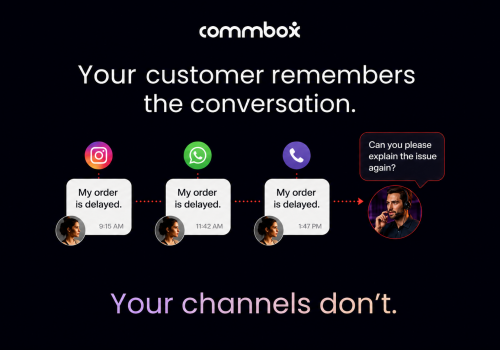
One of the most important things for startups to do when communicating with the outside world is consistency. Your message, voice, tone, and style must remain consistent across all channels. When you’re consistent, you inspire more trust in your brand. People take comfort in things that feel familiar to them – it’s just how our minds work. You can hack their brains by creating a sense of familiarity through your language and stories.